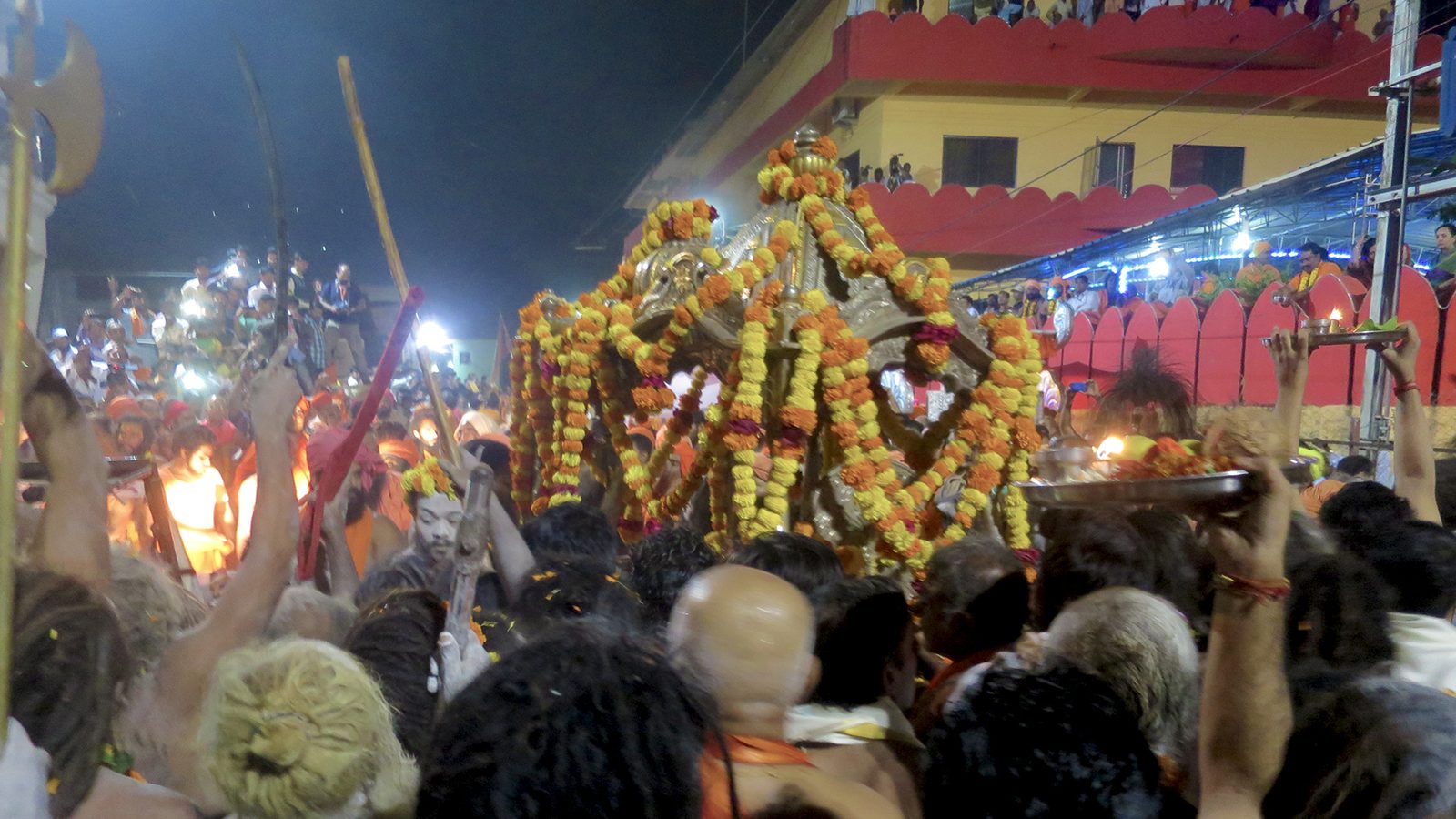
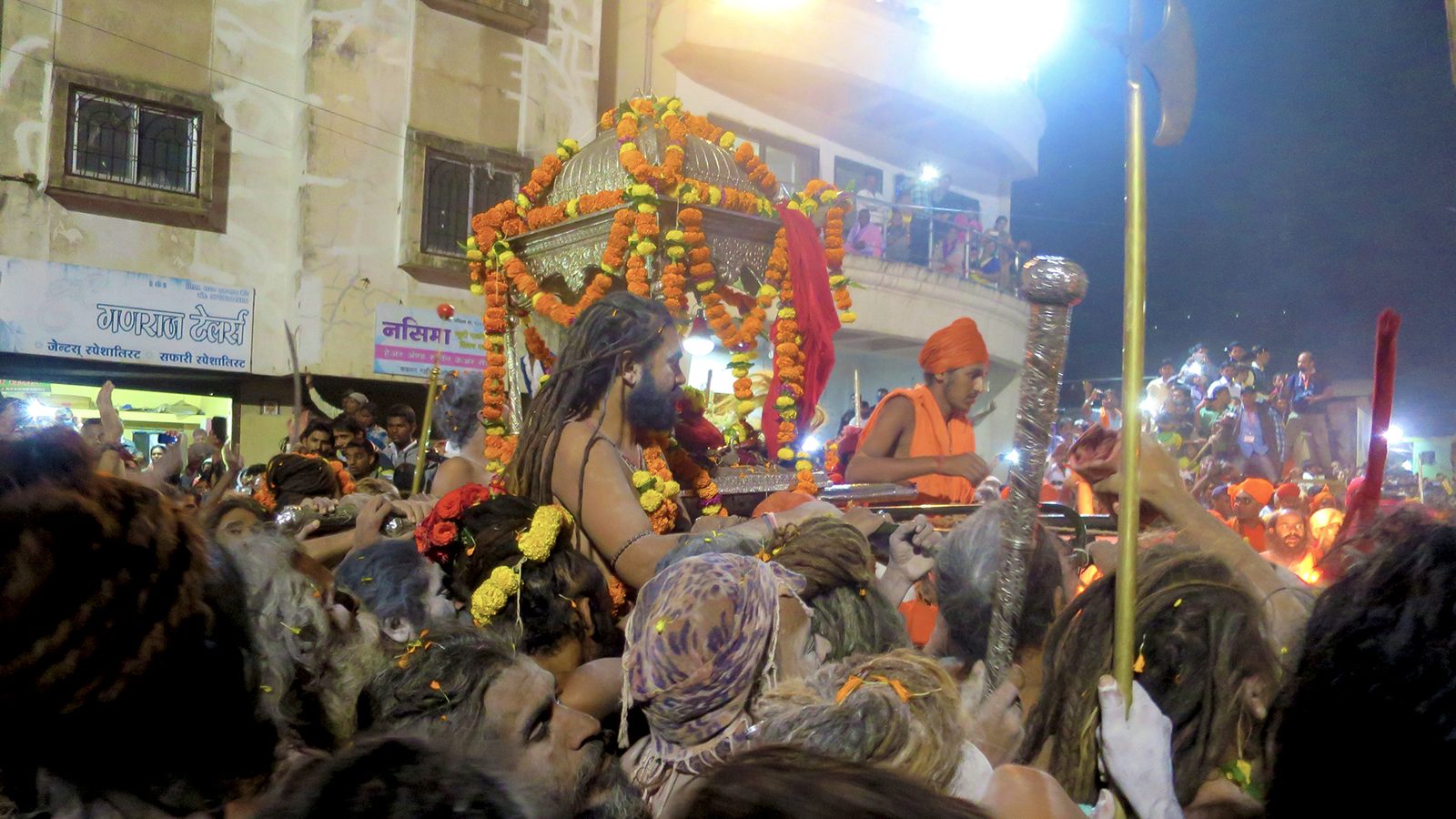
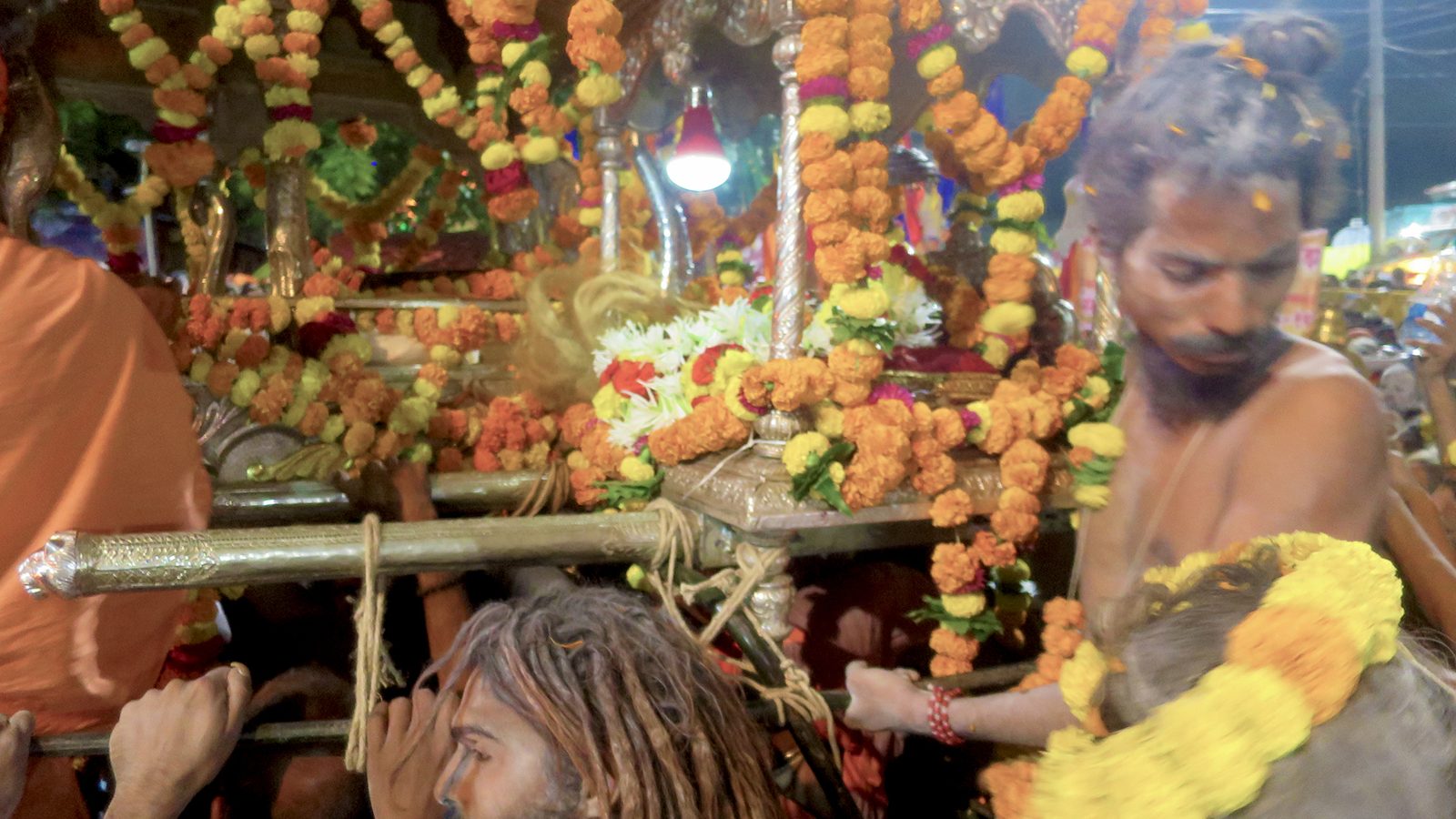
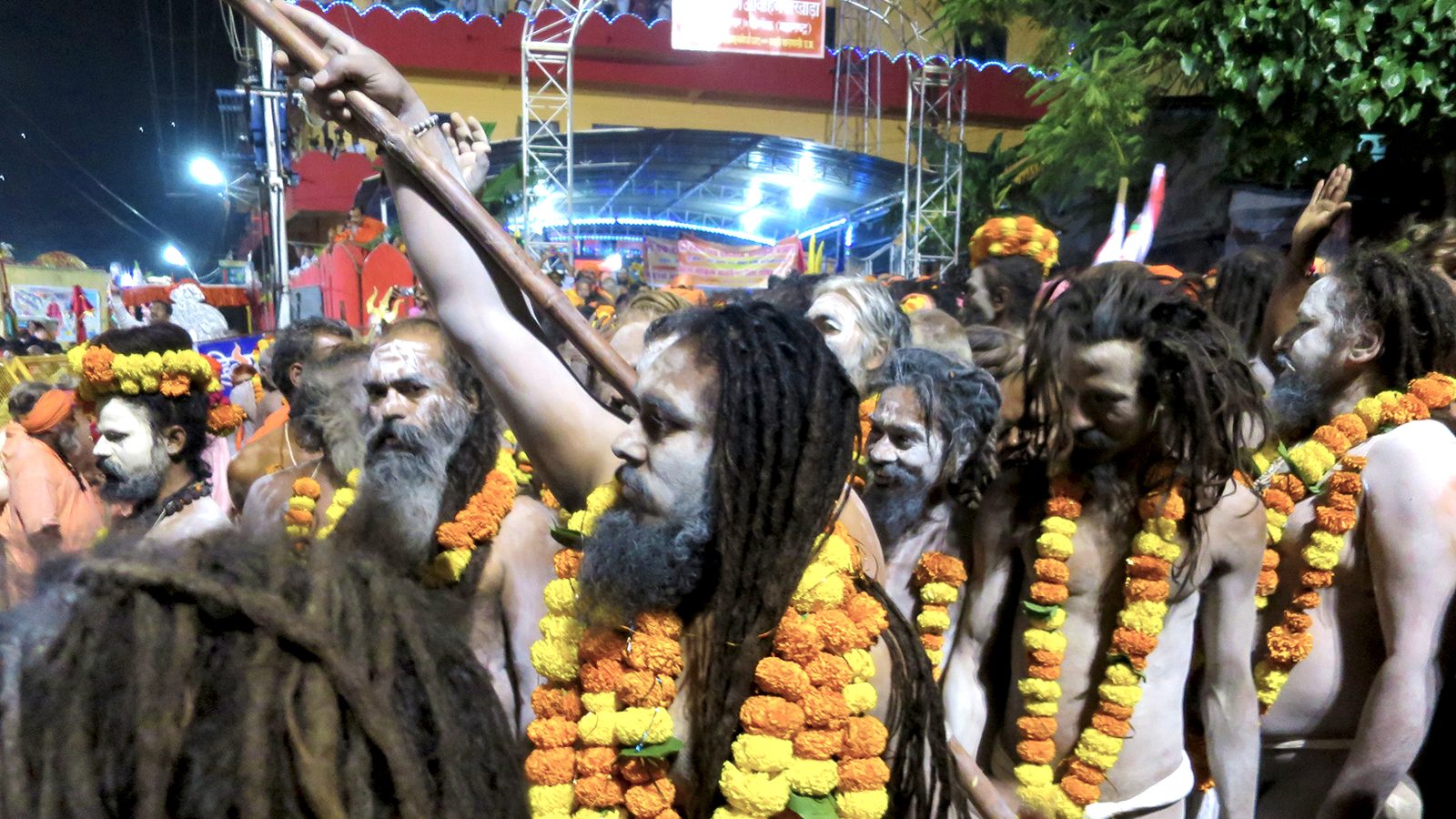
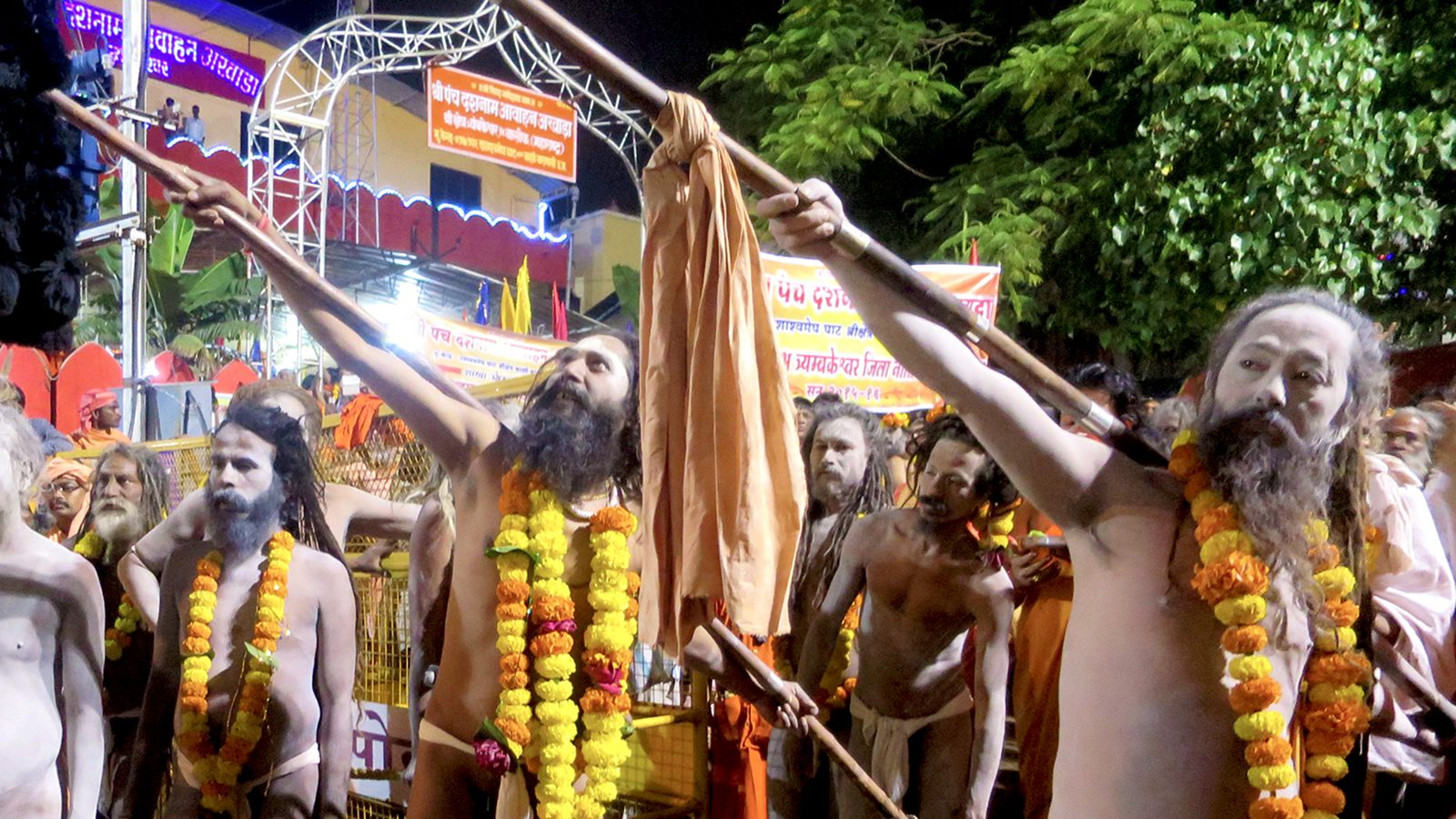
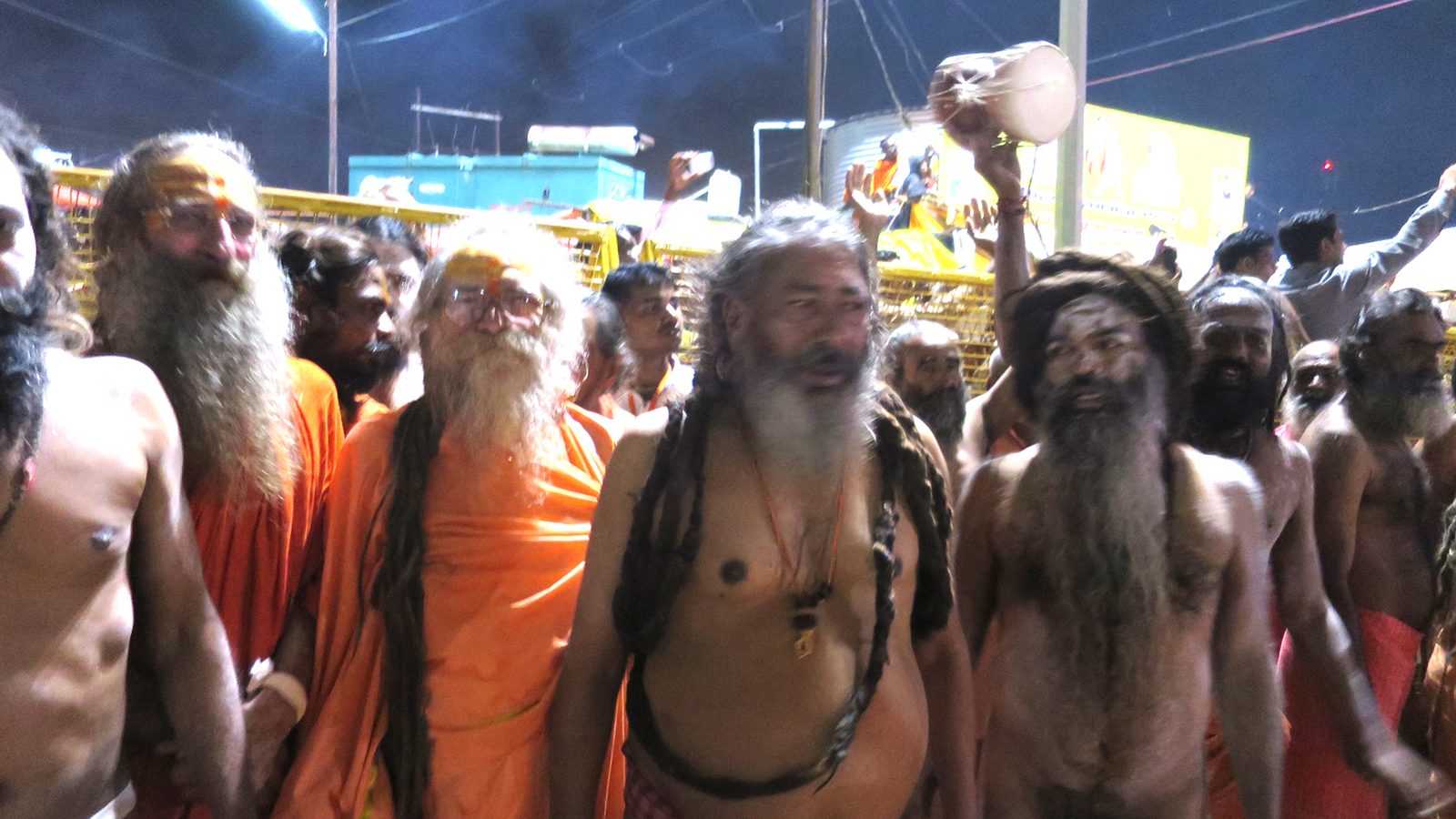
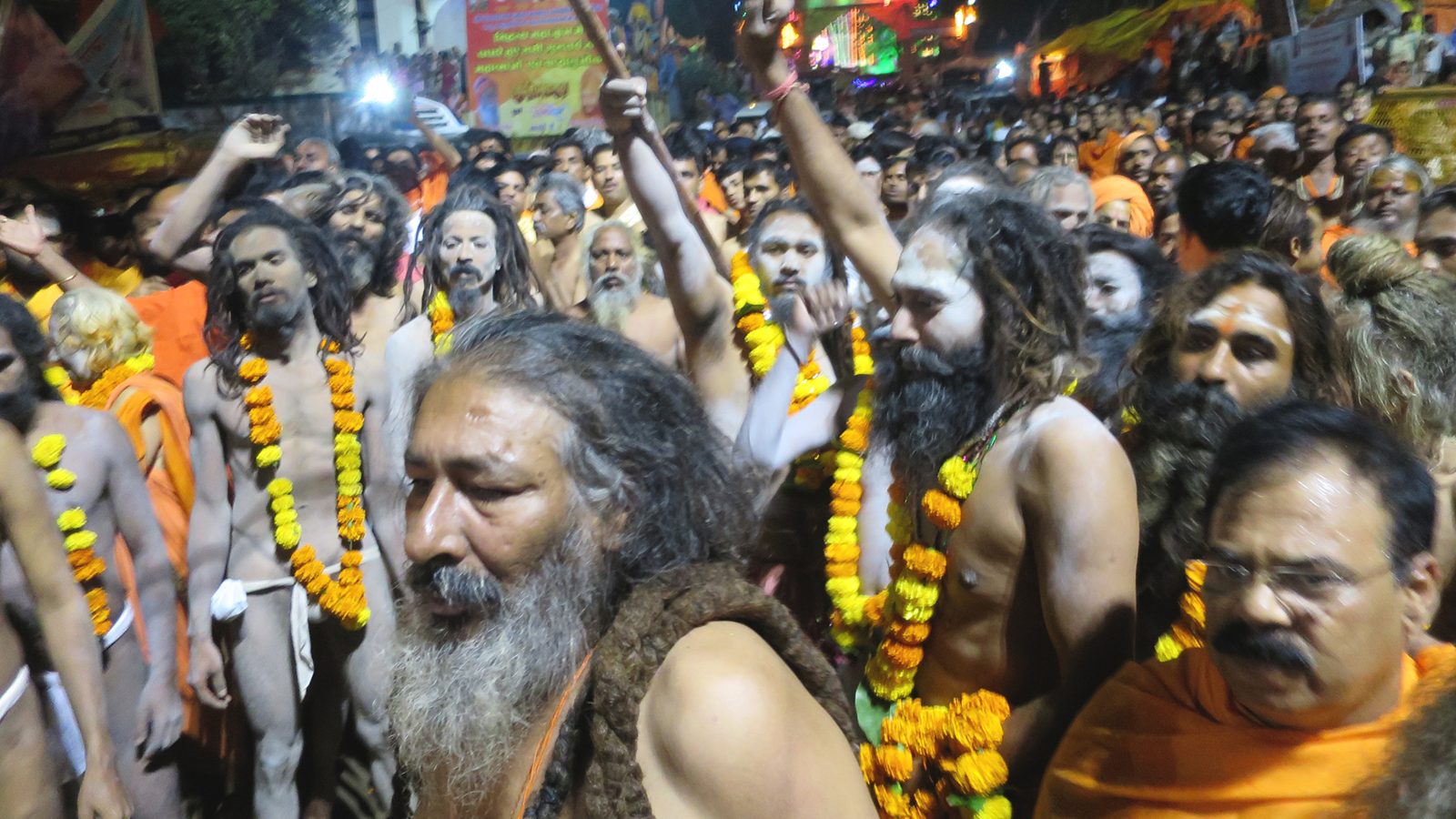
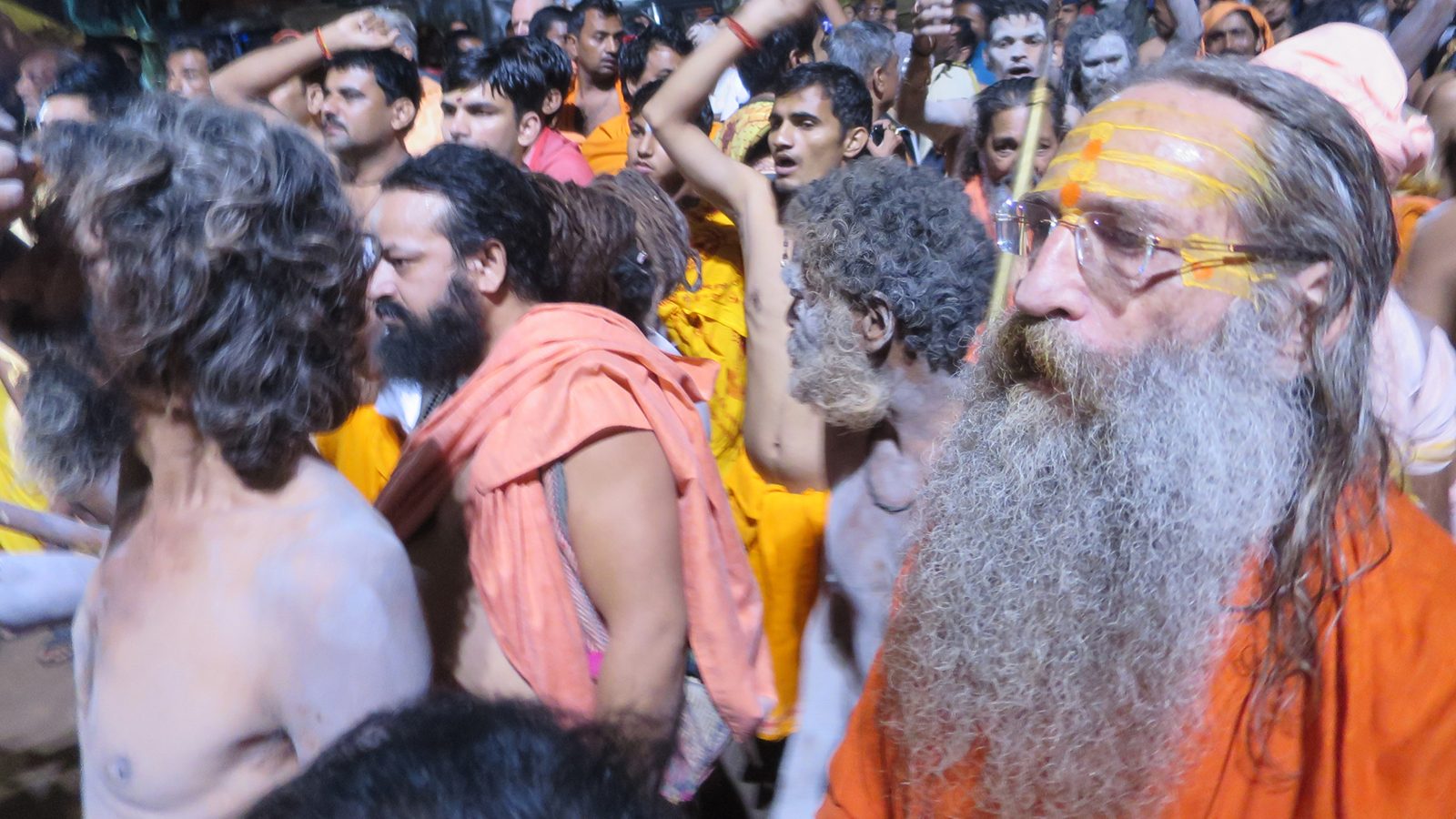
The Simhastha Kumbh Mela at Nashik and Trimbakeshwar has begun. On Saturday 31 October 2026, at 12:02 pm, the moment Jupiter entered Simha (Leo), the dharma dhwaj was raised at the same time at Ramkund in Nashik and at Kushavarta Tirtha in Trimbakeshwar. The mela runs until the flag is lowered on 24 July 2028. For the three Amrit Snans in August and September 2027, when the akharas go in grand procession to bathe, the public will arrive in huge numbers from all over Bharat.
Key dates
| Date | What happens |
|---|
| Sat 31 Oct 2026 | Dhwajarohan, the flag-hoisting at Ramkund and Kushavarta: the Simhastha begins |
| Thu 29 Jul 2027 | Nagar Pradakshina |
| Mon 2 Aug 2027 | 1st Amrit Snan · Somvati Amavasya · Nashik and Trimbakeshwar |
| Tue 31 Aug 2027 | 2nd Amrit Snan · Shravan Amavasya · Nashik and Trimbakeshwar |
| Sat 11 Sep 2027 | 3rd Amrit Snan at Nashik (Ramkund) · Bhadrapada Shukla Ekadashi |
| Sun 12 Sep 2027 | 3rd Amrit Snan at Trimbakeshwar (Kushavarta) · Bhadrapada Shukla Dwadashi |
| Mon 24 Jul 2028 | The flag is lowered: the Simhastha ends |
Besides the three Amrit Snans there are many other bathing days (parva snan): 44 at Nashik and 53 at Trimbakeshwar. The thirteen akharas and the Government of Maharashtra agreed this schedule on 1 June 2025, when the old name "Shahi Snan" was also changed to "Amrit Snan".
Two places, two kunds
The Simhastha is held in two places. The Vaishnava akharas bathe at Ramkund in Nashik, on the Godavari. The Shaiva, or Sannyasi, akharas and the Udasin akharas bathe at Kushavarta Tirtha in Trimbakeshwar, near the source of the Godavari and the Jyotirlinga temple of Trimbakeshwar. The arrangement goes back to the time of the Peshwas.
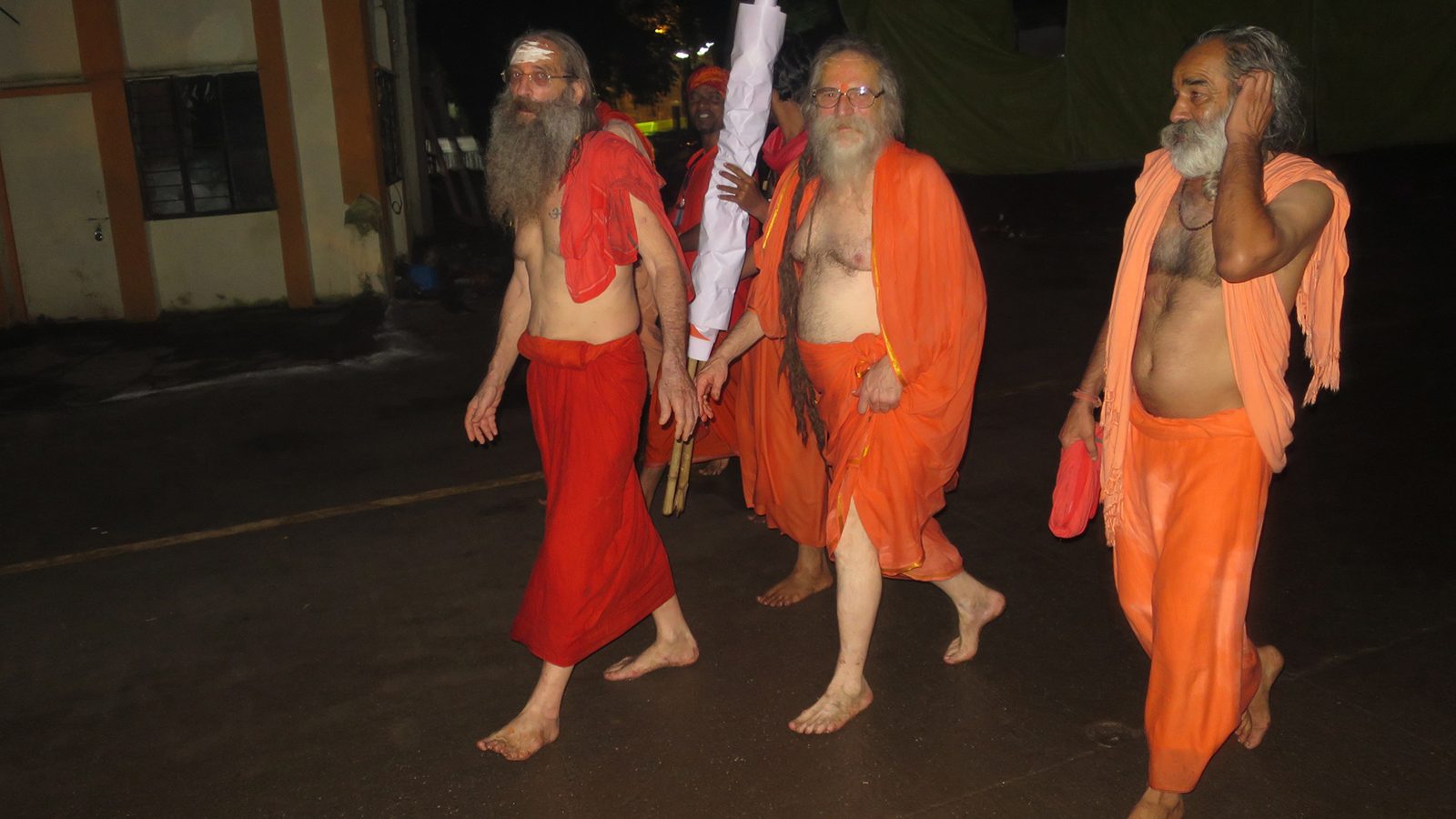
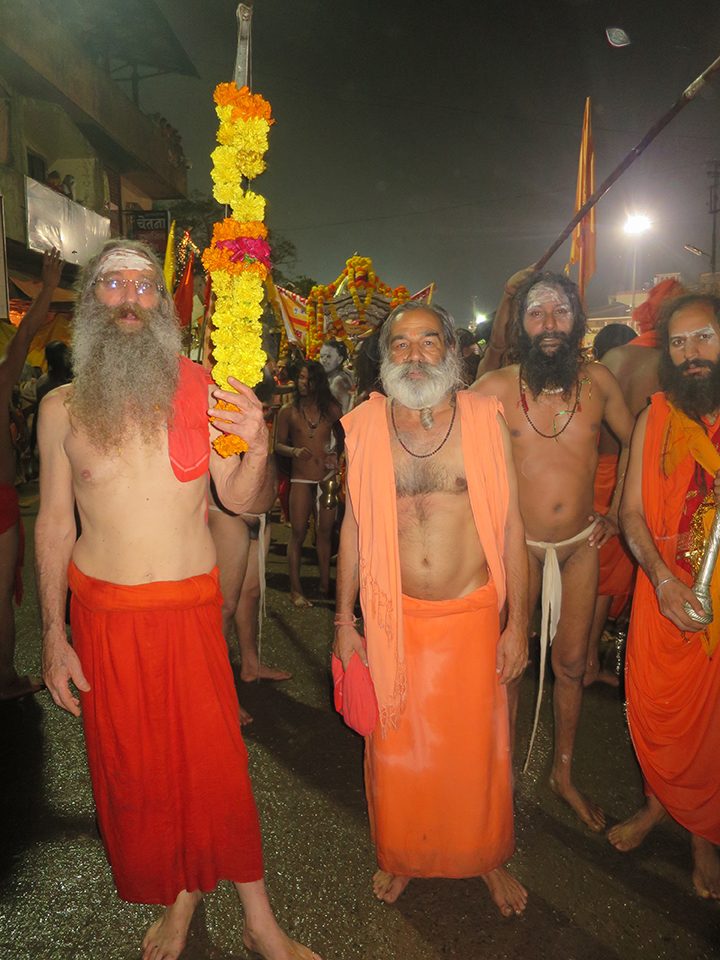
Shri Panch Dashnam Juna Akhara, the akhara of the Naga Babas, bathes at Trimbakeshwar with the Shaiva akharas. Baba Rampuri, a Shri Mahant of Juna Akhara, was at Trimbakeshwar for the last Simhastha, in 2015.
Why "Simhastha"?
The name comes from Jupiter, Guru, standing in Simha (Leo). The Kumbh Mela returns to each of its four places every twelve years; the last Simhastha here was in 2015. Because Jupiter moves back and forth across Leo, this Simhastha is unusually long, from October 2026 to July 2028.
"…four drops DID fall to earth. They landed at what is now Prayag (Allahabad), Haridwar, Ujjain, and Nasik. Every twelve human years, which also happens to be Jupiter’s revolution around the Sun, in each of these four places, and at that time in each place corresponding to the astrological positions that Jupiter, the Sun, and the Moon occupy in the heavens when each drop is spilled, this amrit, this Nectar of Immortality appears. How much? A drop. It’s all you need."Baba Rampuri, The Nectar of Immortality