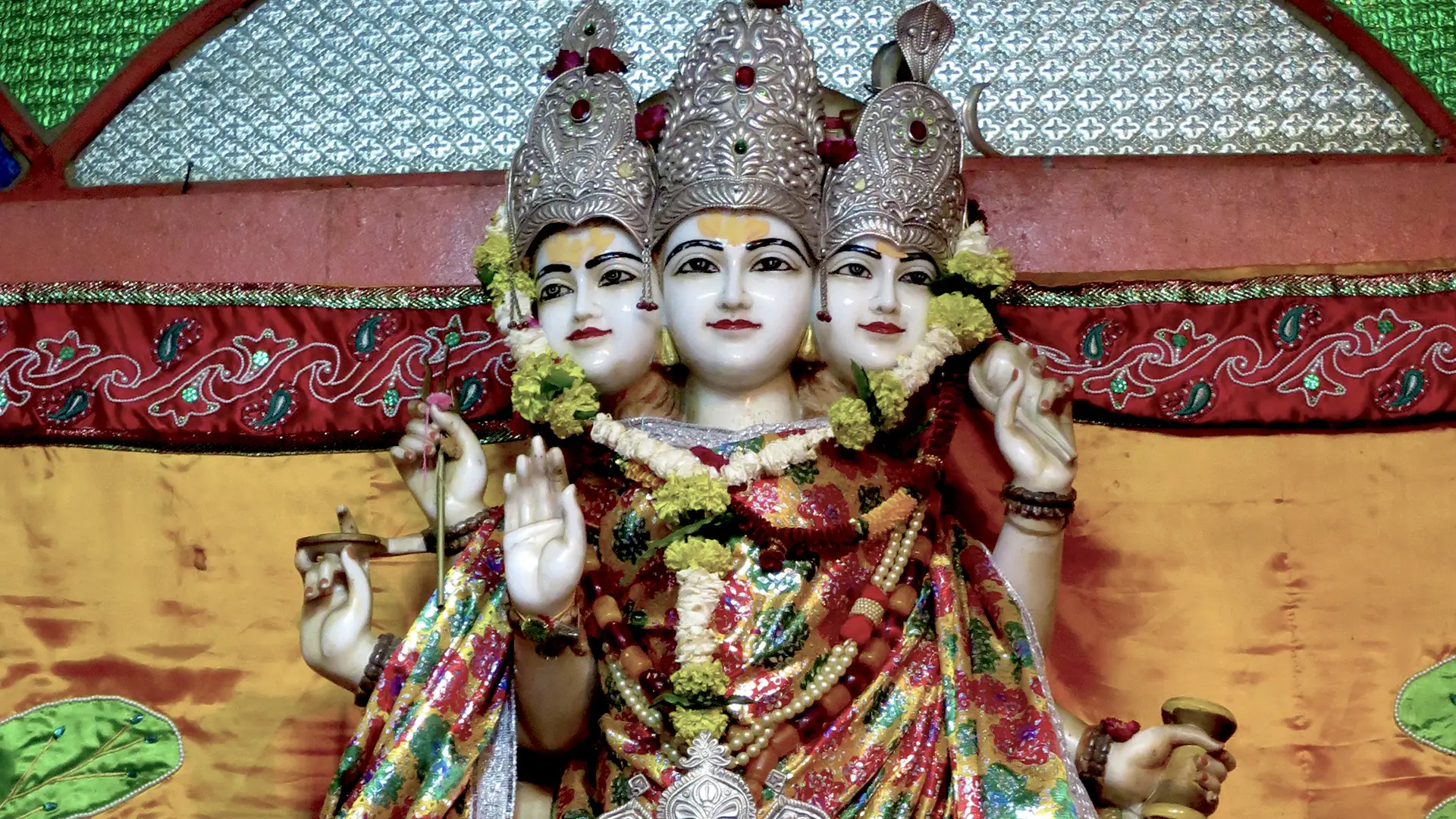
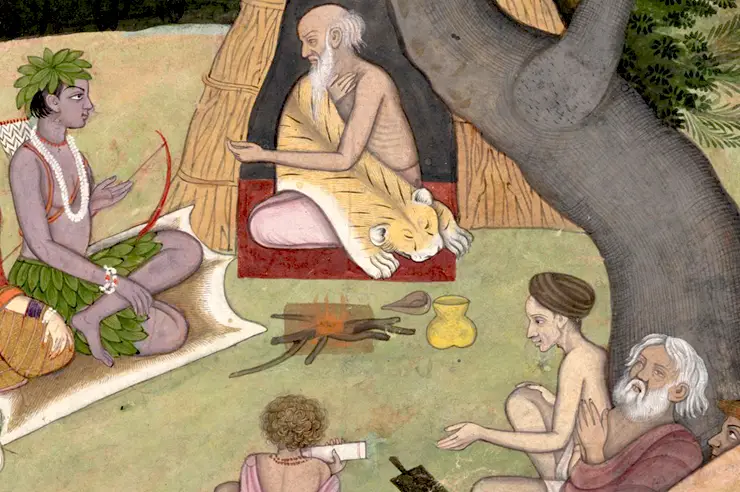
Guru Dattatreya’s Avadhut Gita
I am the Analogue,
reflecting the firmament,
the immortal Elixir of Knowledge.

I am the Analogue,
reflecting the firmament,
the immortal Elixir of Knowledge.

I could see the phosphorescence of hidden ores shining from beneath the Earth’s surface – and saw the same light pouring down from Venus-Shukra as it neared the horizon, where the Earth meets the Sky
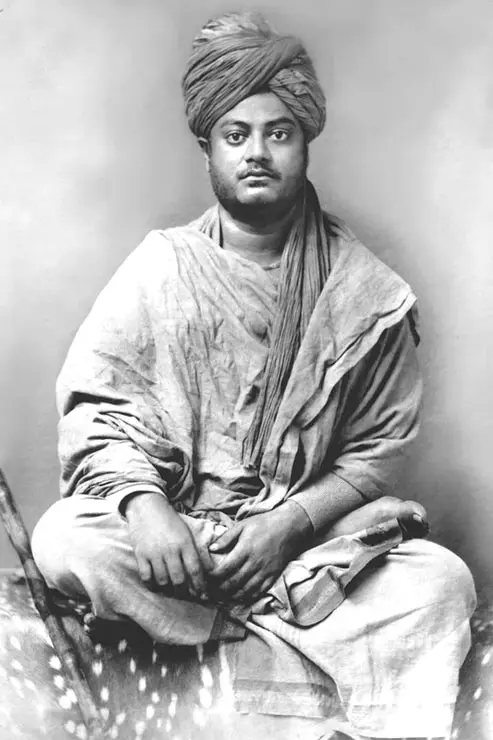
Baba Rampuri on the difference between Sanatan Dharma and “Hinduism”: how the British suffix “-ism” reduced a geographical word, and a living diversity of knowledge, into a single belief.
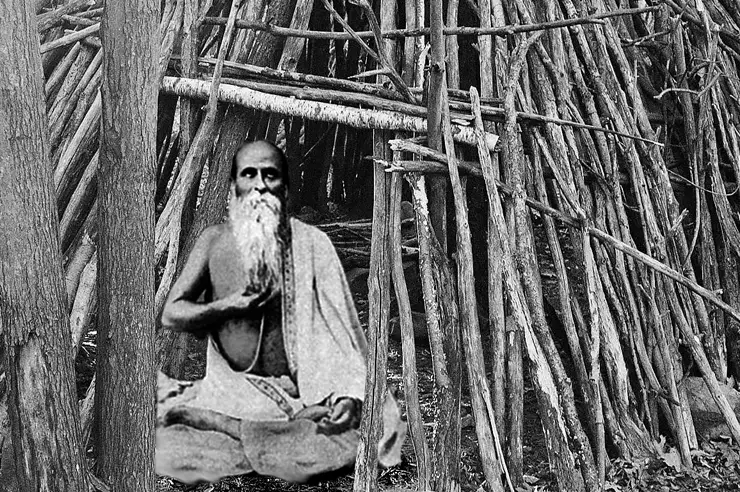
Baba Rampuri on the “two Patanjalis” theory he rejects, the connection between Speech and cognition, and why consumer yoga clings to the Yoga Sutras. Part IX of Deconstructing Consumer Yoga.
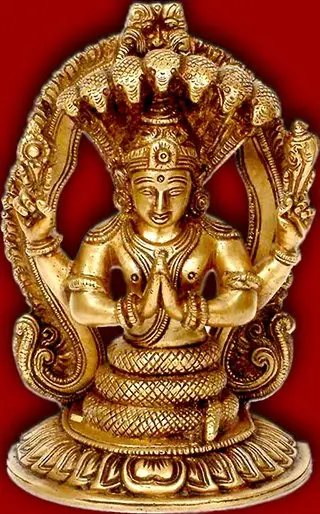
Patanjali’s work, as well as its many commentaries by others, are “assuming,” as a given, the metaphysical dimensions of Speech.
The Yoga Sutras speak about consciousness, and Patanjali deploys the word for consciousness, citta, more than any other word.
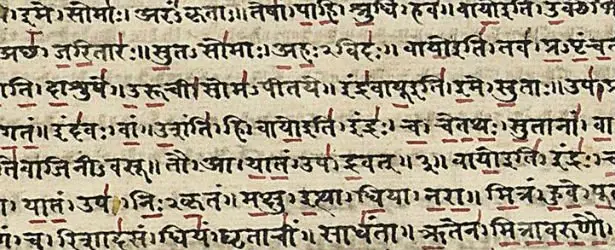
Baba Rampuri on why the text, the Shastra, is not the book: in forty-five years in an oral tradition of 52 lineages, the text matters far less than the living voice. The text is not the guru.
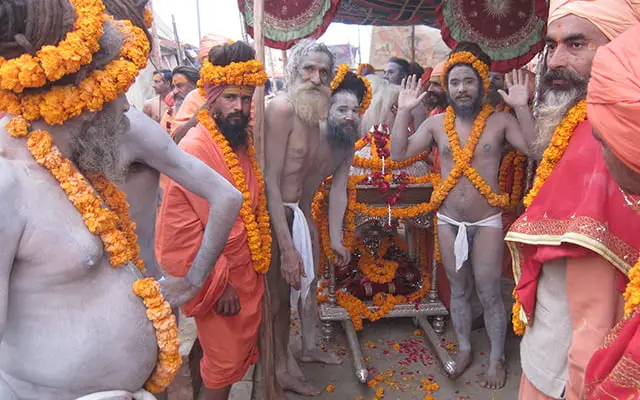
Baba Rampuri on the danger of trusting an abstract like “oral tradition”: listening to his voice does not put you in one, and why he is more interested in deconstructing ideologies than acquiring them.
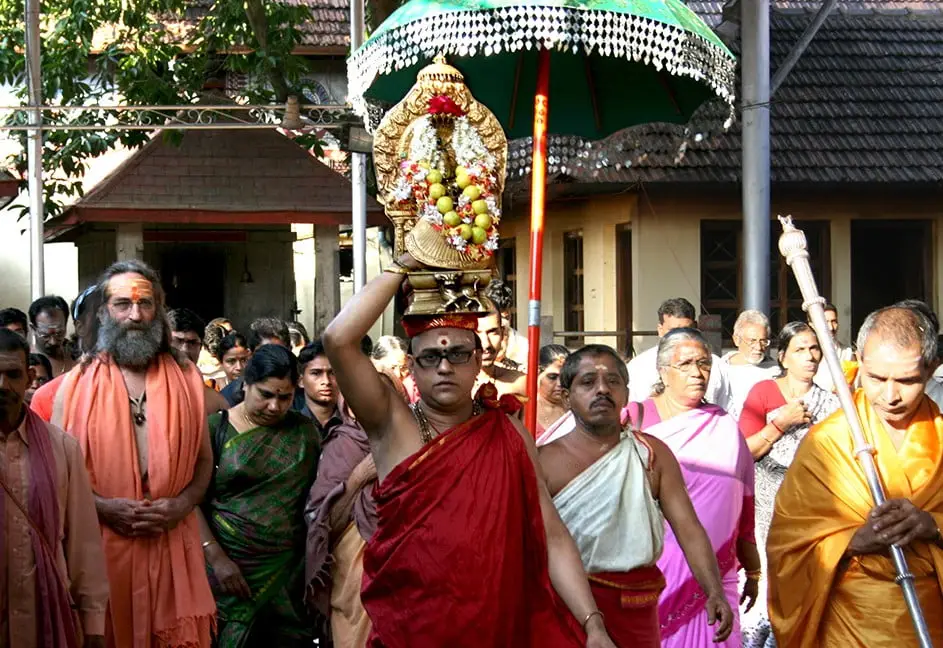
Baba Rampuri on why Sacred Speech existed in the first place: taking responsibility for the prosperity of one’s family and community, and practicing discrimination in our choices of authority.
Baba Rampuri on why the “spiritual mind” has become so abstract it can mean anything, and how the speech of marketing slipped into our exploration of consciousness.
Bhartrihari, 5th century: “If this eternal identity between knowledge and the word were to disappear, knowledge would cease to be knowledge.” Baba Rampuri on the Masters of Sacred Speech.
Baba Rampuri, interviewed in Wild Yogi, on whether magic exists: what science calls magic, the yogi calls revelation, or darshan. Whoever frames the question predetermines the answer.
Texts are not limited by what is printed or what is written. There exist very substantial texts, passed down orally …

Lord Dattatreya Mahasiddhi Yantra Lord Dattatreya’s powerful yantra for acquisition of Knowledge, protection on the path, and spiritual power. Up Next Deconstructing Consumer Yoga › Home Autobiography of a Sadhu Enter the Story 50 Excerpts
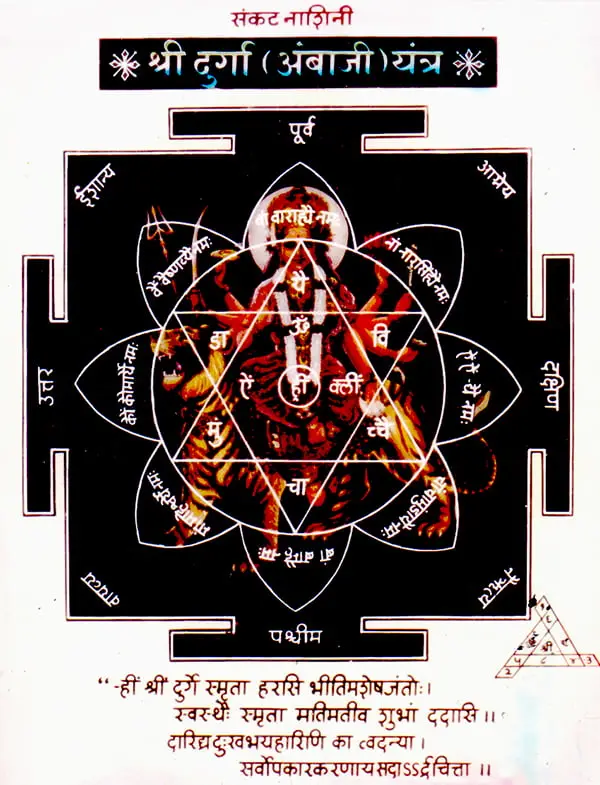
Shri Durga Yantra For protection, overcoming problems, and for acquiring prosperity, use this Shri Durga Yantra of Sankat Nashini, Amba Ji. Up Next Deconstructing Consumer Yoga › Home Autobiography of a Sadhu Enter the Story 50 Excerpts
Baba Rampuri on Patanjali as a grammarian and master of Speech: the Yoga Sutra written not as philosophy but as compressed code, and his eighty-year Mahabhashya on Knowledge as the deity Speech.
Our most valuable of all yogic assets has been handed over to Mr. McDonald

The Text of the Sanatan Dharma is written on the surface of the world for those who may read it! Text is subservient to Speech.
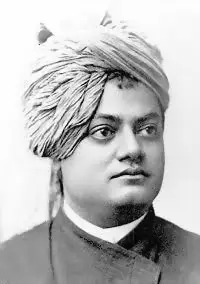
This speech marks the beginning of Hindu-ism as a religion, and as a “world religion,” that is, possessed of attributes going beyond a local culture, i.e., universal. As I see religion as politics, this is a political speech, if taken in the context of the times.
The Lakshmi Ganesh Yantra from Baba Rampuri’s Autobiography of a Sadhu, with a simple puja anyone can do anywhere to invoke Ganesh and Lakshmi for health, prosperity, and the removal of obstacles.
Those who use the knowledge of the Black Goddess to grow the ego, often obtain worldly power, but who uses it to make the ego transparent, obtains liberation.
In Tantra, the bijas don’t represent things, but mark their spaces, “so that they may be known,” not as energizing sound, but by reflection and its analogy.
What is tantra is not answered by a google search nor popular weekend retreats, but requires years of enquiry into the nature & power of Speech.
The Tantric Tradition begins when Shiva instructs his consort Parvati in the Art of Immortality.
As an archetype, the guru is much more than the Mentor. First and foremost he is Door Guardian, Dwarpal, Darvish, the Sphinx. The Bouncer. One must get past him in order to enter the Extraordinary World.
Baba Rampuri on Guru Purnima, the most important full moon of the year in India’s Oral Tradition: the Guru-Shishya Parampara, and how disciples connect with the guru through the full moon.
Baba Rampuri’s initiation by Hari Puri Baba and five sannyasi gurus: the shaving, the five products of the cow, and becoming a disciple not of a man but of Guru Dattatreya, lord of yogis.
Baba Rampuri on “species of knowledge” disappearing like species of life: from India’s vanished rice landraces to the loss of local wisdom traditions since the European Enlightenment.
Baba Rampuri on whether traditional knowledge can survive the internet: as the printing press ended oral tradition, what the screen does to knowledge, and Patanjali’s compressed Sanskrit.
Baba Rampuri on the difference between storytelling and spinning a narrative: why mythology is connected to Sky, Earth, and blood, while a narrative serves the ideas of man.
Baba Rampuri on Salman Rushdie’s Haroun and the Sea of Stories: a postmodern allegory disguised as a children’s book, and what it shows about storytelling, pollution, and Speech.
Baba Rampuri on Indian Alchemy: not a science but a knowledge gleaned from Nature and lineage, and why the vocabulary of Hermeticism reads India better than Comparative Religion.
Baba Rampuri on sustainability: it becomes an issue only when human greed unbalances the world, and is impossible while we believe the myth that consumption makes happiness.
Baba Rampuri on the tools of human organizing: why ideology is the easy path but never sustainable, from May ’68 to the architects of neo-Imperialism.
Baba Rampuri: we need no further evolution to reach higher consciousness, only to un-learn what the last two centuries taught, and reconnect with the Natural World.
Spirituality is no one’s property, but the path of self-knowledge rests on Authority. Baba Rampuri on how authority passed from the living voice to mass media, and the search beyond consumption.
Baba Rampuri’s darshan of the Hindu Goddess Renuka at Mahurgarh, one of India’s great shakti-piths: the black Egg-Stone with a Mouth, in the land of Guru Dattatreya.

Mother Renuka, an incarnation of the Hindu Goddess Parvati: her tales of Parshuram’s axe and the Wish-Fulfilling Cow, and the mysteries they open. Baba Rampuri.
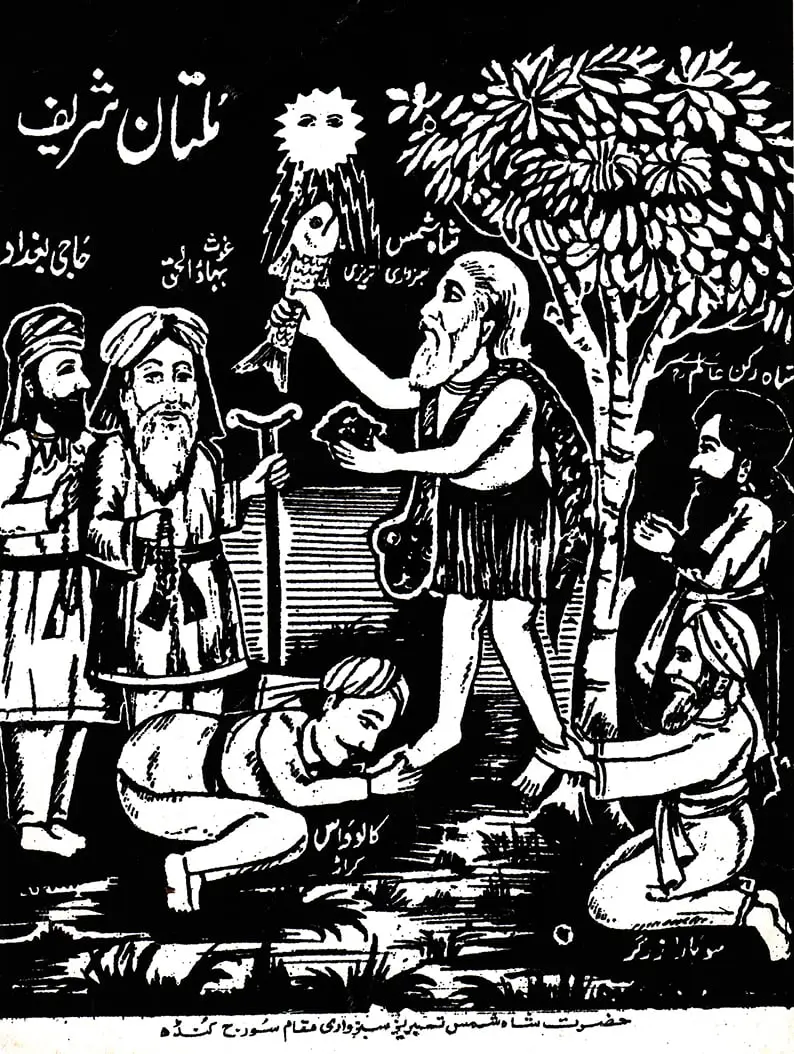
Baba Rampuri on Shams of Tabriz, the guru of Rumi, as Keshav Puri or Multani Baba — the Naga Baba namesake of his own lineage, whose tomb stands outside Multan.
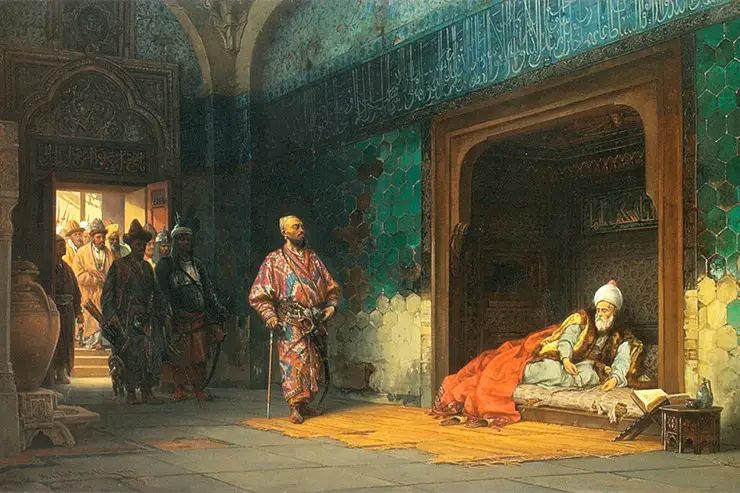
Baba Rampuri on the Orientalist paintings of the 19th century: a fantasy Orient that existed only in the Western imagination, yet became the “real” India the Imperium sought to represent.
Baba Rampuri answers questions on the numbers in his Initiation video: Maya as Measure, the gunas, elements, and planets, and numbers as reflections of resemblance, a sacred Speech.

Baba Rampuri continues his response to Suketu Mehta: drug patents, traditional remedies, the redefinition of yoga, and why the yogi has nothing to sell.
Baba Rampuri on hearing the Dalai Lama speak in Los Angeles: a brilliant talk on compassion, and a reflection on how Authority shifted from tradition to media presence and brand.
Baba Rampuri’s point-by-point response to Suketu Mehta’s New York Times editorial on patenting yoga and traditional knowledge: dakshina, Authority, and who really owns yoga.

A line from the Avadhut Gita set beside a Medieval European alchemical formula: the dome of the sky as the dome of human speech, the Book of the World. Baba Rampuri on Dattatreya and the Hermetic tradition.
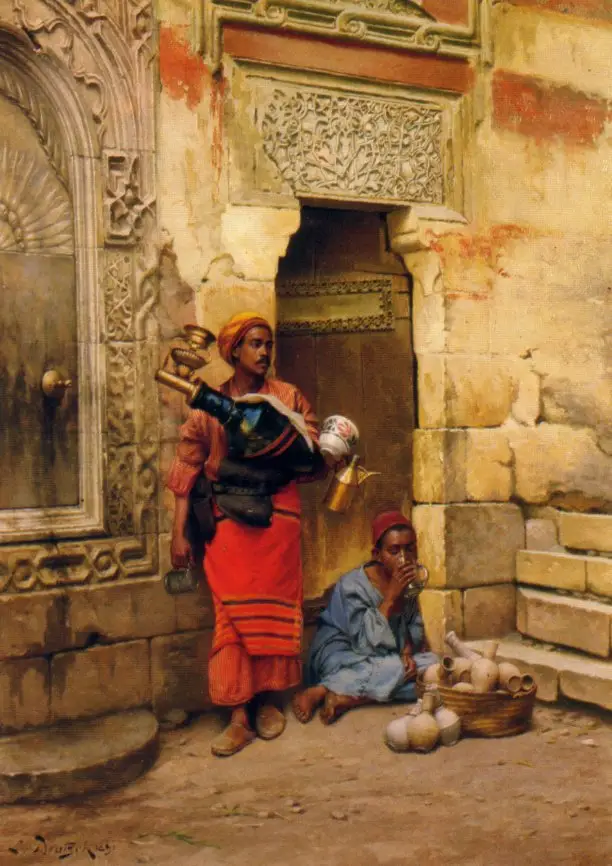
Baba Rampuri on arriving in India carrying the Orientalist dream of the West, and slowly seeing the other India beneath it. From Autobiography of a Sadhu, Chapter 2.

How the world manifests from Purusha and Prakriti through the three gunas: sattva, rajas, and tamas. Baba Rampuri on the inner science of the gunas.
Baba Rampuri’s brief definitions of Science, Hinduism, and Evolution: three answers on knowledge, linear logic, and the non-ideological nature of Indian culture.

Baba Rampuri on how colonial India was “mapped” by its rulers and missionaries: its medicines, magic, and healers catalogued and exported, seeding the West’s pharmaceutical revolution.

“The Great Shadow ate Language with relish,” sang Cartouche. “Like an anteater, he sucked it out from where it hid in the mystery of the mark, and left both the mark and Language empty.
these same three qualities give birth to the great web of illusion. I learned that what applies to the cosmos as a whole also applies to its smallest part and therefore also to man.