Baba Rampuri
  • Home
  • About
  • Autobiography
    • Autobiography of a Sadhu
    • 50 Excerpts
    • Reviews
  • The Discourse
    • MasterClass Videos
      • II · Assumptions
      • III · Sacred Speech & Sacred Music
      • IV · The Text
      • V · Oral Tradition & Authority
      • VI · Sacred Geography of the Mouth
      • VII · Shiva: His Drum of Consciousness
      • VIII · Garland of Sacred Syllables
      • IX · Mysticism, Analogy & Metaphor
      • X · Resemblances & Correspondences
      • XI · Rishi Panini
      • XII · Patanjali: The Yoga Sutras
      • XIII · Patanjali’s Yoga Sutras
      • XIV · Bhartrihari & Meaning
      • XV · Bhartṛhari & the Sphoṭa
      • XVI · Kashmiri Shaivism & Abhinavagupta
      • XVII · Kashmiri Shaivism: The 36 Tattvas
    • The Edge of Indian Spirituality
    • Dhuni Discourse
    • Multani Baba Discourse
    • Baba’s Interviews
      • Baba Rampuri on Mass Media, Propaganda, Sacred Speech
      • Interview with Kartazon, Hari Puri Ashram, 2007
      • Shivanand Giri Interview
      • Peter Jenkins Interview
      • Kalyan Interview
      • Donna D’Cruz Interview
  • Art of Yajna
    • Art of Homa
    • Art of Invoking Ganesh
    • The Art of Ganesh Puja
    • Art of Makar Sankranti Yajna
    • Art of Yajna
    • Inviting Deities
    • Kalash Sthapana
    • Ganesh Homa
    • 9 Chandika Yajna begins
    • Making Yantras for Yajna
    • Navgraha Havan
    • Nine Chandika Homa
    • Chandika Havan Purnahuti
    • Chandika Yajna Bhandara – Feast
  • Ceremony
    • Shivaratri
    • Navratri Durga Puja
      • Navratri 2025
        • Day 1 – Shailaputri Devi
        • Day 2 – Brahmacharini Ma
        • Day 2 – Chandra Darshan
        • Day 3 – Chandraghanta Ma
        • Day 4 – Chandraghanta Ma
        • Day 5 – Kushmanda Devi
        • Day 6 – Devi Skandamata
        • Day 7 – Katyayani Ma
        • Day 8 – Kalratri Maa
        • Day 9 – Mahagauri Ma
        • Day 10 – Siddhidatri Ma – Dussehra
    • Yajna Videos
      • Assagao Yajna
      • Navgraha Homa – The Nine Planets
      • Chandika Homa – The 9 Durgas
      • Ganapati Homa
      • Hari Puri Ashram Yajna, Haridwar
  • Kumbh
    • 35 years of Kumbh Melas
    • Kumbh Mela Videos
  • Akhara
    • Meet Juna Akhara
    • Legendary Naga Babas
    • Dattatreya Akhara – Ujjain
  • Music
    • Music Performances at the Dhuni
    • Jangams – Bards singing our lineages
  • Art
    • Visions of the High Priestess
  • Blog
    • My Prose
    • Deconstructing Consumer Yoga

Follow us

  • facebook
  • instagram
Baba Rampuri
  • Home
  • About
  • Autobiography
    • Autobiography of a Sadhu
    • 50 Excerpts
    • Reviews
  • The Discourse
    • MasterClass Videos
      • II · Assumptions
      • III · Sacred Speech & Sacred Music
      • IV · The Text
      • V · Oral Tradition & Authority
      • VI · Sacred Geography of the Mouth
      • VII · Shiva: His Drum of Consciousness
      • VIII · Garland of Sacred Syllables
      • IX · Mysticism, Analogy & Metaphor
      • X · Resemblances & Correspondences
      • XI · Rishi Panini
      • XII · Patanjali: The Yoga Sutras
      • XIII · Patanjali’s Yoga Sutras
      • XIV · Bhartrihari & Meaning
      • XV · Bhartṛhari & the Sphoṭa
      • XVI · Kashmiri Shaivism & Abhinavagupta
      • XVII · Kashmiri Shaivism: The 36 Tattvas
    • The Edge of Indian Spirituality
    • Dhuni Discourse
    • Multani Baba Discourse
    • Baba’s Interviews
      • Baba Rampuri on Mass Media, Propaganda, Sacred Speech
      • Interview with Kartazon, Hari Puri Ashram, 2007
      • Shivanand Giri Interview
      • Peter Jenkins Interview
      • Kalyan Interview
      • Donna D’Cruz Interview
  • Art of Yajna
    • Art of Homa
    • Art of Invoking Ganesh
    • The Art of Ganesh Puja
    • Art of Makar Sankranti Yajna
    • Art of Yajna
    • Inviting Deities
    • Kalash Sthapana
    • Ganesh Homa
    • 9 Chandika Yajna begins
    • Making Yantras for Yajna
    • Navgraha Havan
    • Nine Chandika Homa
    • Chandika Havan Purnahuti
    • Chandika Yajna Bhandara – Feast
  • Ceremony
    • Shivaratri
    • Navratri Durga Puja
      • Navratri 2025
        • Day 1 – Shailaputri Devi
        • Day 2 – Brahmacharini Ma
        • Day 2 – Chandra Darshan
        • Day 3 – Chandraghanta Ma
        • Day 4 – Chandraghanta Ma
        • Day 5 – Kushmanda Devi
        • Day 6 – Devi Skandamata
        • Day 7 – Katyayani Ma
        • Day 8 – Kalratri Maa
        • Day 9 – Mahagauri Ma
        • Day 10 – Siddhidatri Ma – Dussehra
    • Yajna Videos
      • Assagao Yajna
      • Navgraha Homa – The Nine Planets
      • Chandika Homa – The 9 Durgas
      • Ganapati Homa
      • Hari Puri Ashram Yajna, Haridwar
  • Kumbh
    • 35 years of Kumbh Melas
    • Kumbh Mela Videos
  • Akhara
    • Meet Juna Akhara
    • Legendary Naga Babas
    • Dattatreya Akhara – Ujjain
  • Music
    • Music Performances at the Dhuni
    • Jangams – Bards singing our lineages
  • Art
    • Visions of the High Priestess
  • Blog
    • My Prose
    • Deconstructing Consumer Yoga

Follow us

  • facebook
  • twitter
  • instagram

Copyright © 2026, — Baba Rampuri. All Rights Reserved

Navratri Durga Puja 2025


Ya Devi Sarva Bhuteshu Shakti Rupen Sansthita

Namah Tasmai Namah Tasmai Namah Tasmai Namo Namah

Navratri Day 1 – September 22, 2025 –

Ghatsthapana

Invoking Shailaputri Devi
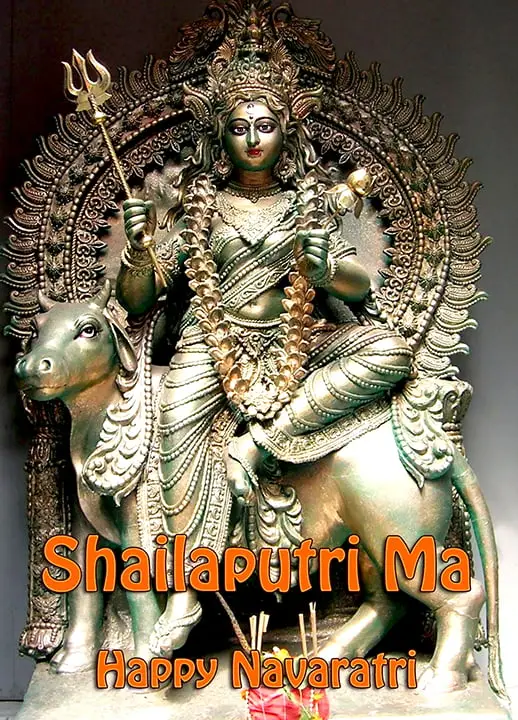
Shailaputri Ma

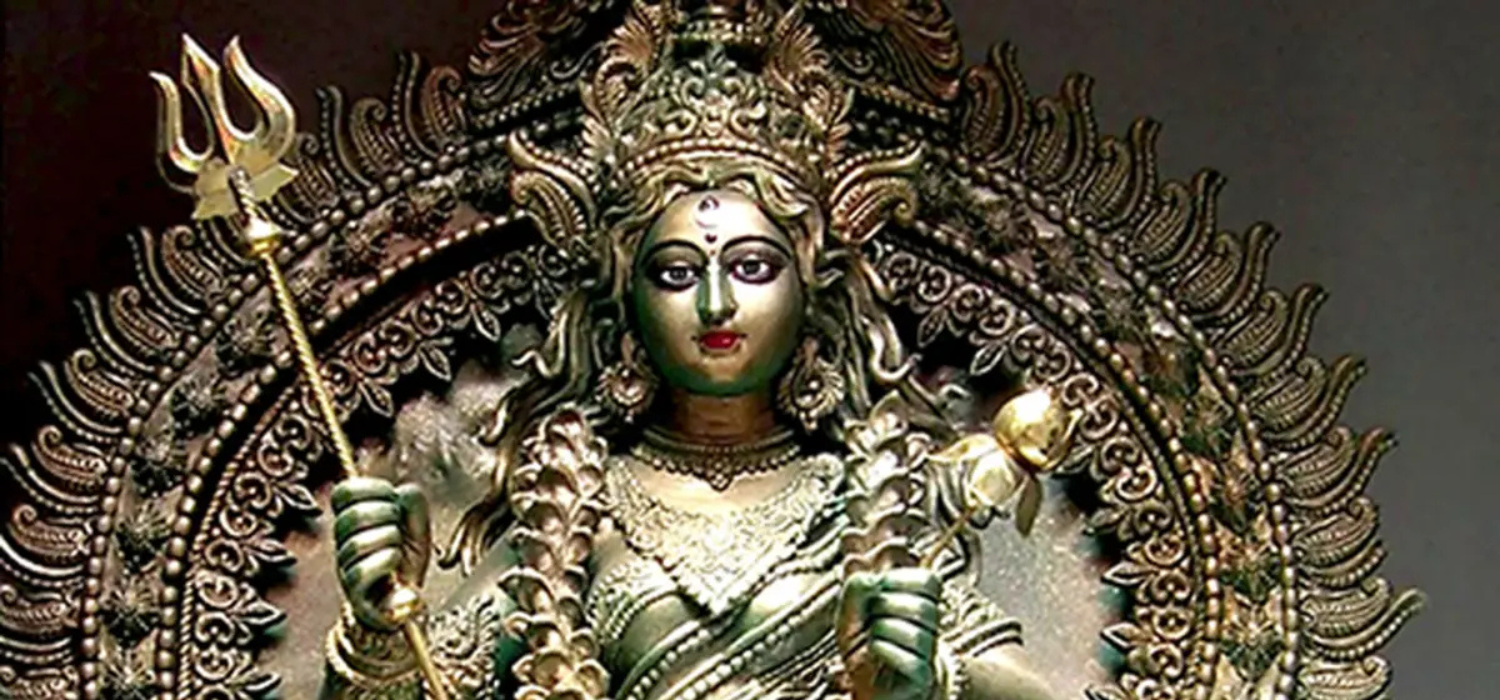
On Navratri Day One 2025, on the New Moon, we worship Parvati Ma, the consort of Shiva, known on this occasion as Shailaputri, “Daughter of the Mountain” which is what the name Parvati means.

On the first day of Navratra, after purification with Ganga Jal, the kalash is established in a ritual known as the ghat sthapana or kalash sthapana. Sand of seven colours are mixed and an altar is prepared on which the Kalash is established. In this puja, all the nine planets, Gods and Goddesses are invoked and invited to sit in the Kalash. Seven types of Barleys and grains are sown below the Kalash which are harvested on Dashmi date. All the Gods and Goddesses are worshipped for nine days with the murti of Goddess Durga in the middle. On the right side, there may be Ganesh and Mahalakshami, and on the left, Kartikeya and Goddess Saraswati. If Ganga Jal (water from the Ganga) is not available, water from an important river, or a spring, or a creek is suitable.

Ma Durga, all the Gods and Goddesses, Yogis, and Yoginis inhabit the vessel for the duration of the nine days, and bring us blessings.

Cover the holy water vessel with a coconut surrounded by 5 large leaves (mango if possible) and place it in the middle of the altar of sand and barley. Icons and pictures of Durga, Lakshmi, Ganesh, and any other favorite or family deities may surround the altar. Having done all this, invoke the Mother Goddess, ask Her for her darshan and blessings.

You can use this stuti for worshipping Her:

YA DEVI SARVABHUTESU MAM SHAILAPUTRI

NAMASTASYAI NAMO NAMAH

This is a simple way to begin the Navratri observances.

Many devotees also plant barley in clay pots and place next to images of the Mother Goddess. Establishing the kalash maintains the auspiciousness of the period during the fast. It is said to be a form of Lord Ganesha and worshipped first of all the Gods. The Kalash is established before beginning the fast, filled with holy water, and covered with a coconut, and then the akhand jyoti deepa of Bhagawati Devi.

Shailaputri Devi

Shailaputri, also known as Parvati or Hemavati, is the first form of Goddess Durga to be worshipped. ‘Shaila’ means mountain and ‘Putri’ means daughter. Parvati, the daughter of King of the Mountain, Himavan, is called ‘Shailaputri’. She rides a bull, holding a trident and a lotus flower in her hands.

The Goddess was born as Sati to the King Daksha, a son of Brahma. Sati was a stoic devotee of Shiva, who had done severe penance to win her Lord’s heart and married him. King Daksha had organized a Mahayajna in which all the Gods except Shiva was invited.  Sati the Mahayajna despite Shiva’s warnings, and when Daksha insulted her divine husband, Sati sacrificed herself to the yagna fire. After that, she took birth as the daughter of Himavan and was called Shailaputri.

  • Facebook
  • Share on X
  • LinkedIn
  • WhatsApp
  • Email
  • Copy Link

About Us

Baba Rampuri is a Shri Mahant of Juna Akhara, initiated in 1971 as the first foreigner ever taken into the order. For over fifty years he has lived in Bharat, practising and teaching the oral tradition of the Sanatan Dharma. This site is his archive — his experience, teachings, and discourse, past and present.

As an Amazon Associate, Baba Rampuri earns from qualifying purchases.

Links

  • Art of Yajna
  • Meet The Naga Babas
  • Autobiography of a Sadhu
  • Mahashivaratri 2016

Rituals

  • Mahamrityunjaya Mantra
  • Kashmiri Shaivism XVI

Copyright © 2026, — Baba Rampuri. All Rights Reserved

Designed by WPZOOM