II · Assumptions: Legacy of the Enlightenment
The assumptions we inherit are the legacy of the Enlightenment, and they begin with a machine. Around 1450, where the Rhine meets the Main, Gutenberg’s printing press remakes the landscape of knowledge and the way we speak to one another, and the Enlightenment that follows reorders how Europe sees the world and how it comes to govern it. From that reordering descend the categories we now mistake for the nature of things: “religion” as a matter of belief and doctrine, and the family of “-isms,” Hinduism among them, that sort by creed what people once knew by lineage and place.
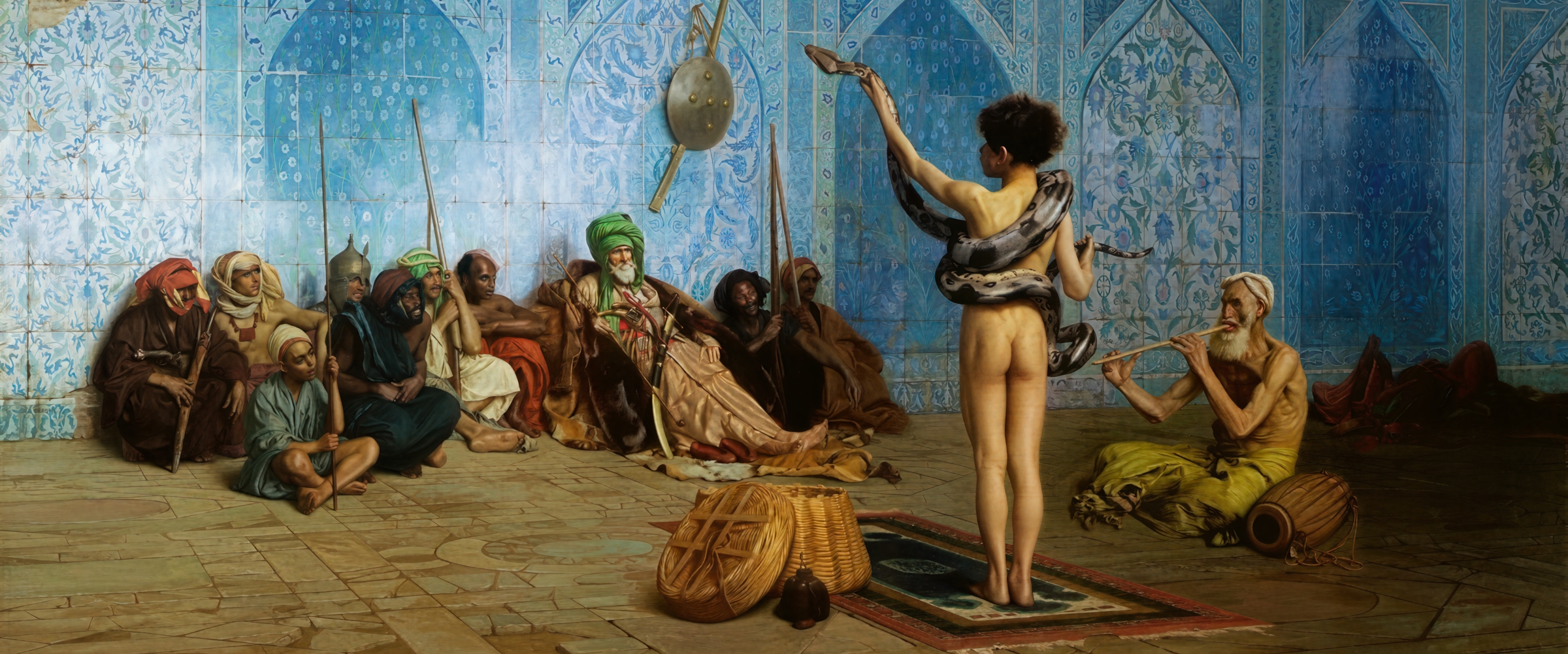
I follow this through Swami Vivekananda and the colonial encounter, through the manufacture of Modern Standard Hindi by men like Kellogg, and through the mapping of one culture by another, where knowledge becomes a form of power. The deepest shift comes last: from an oral tradition to the printed and published text. Once the text is privileged, it stands in for the very tradition it can only represent. To see these assumptions for what they are is the work of this episode, because in the end it is all about context.